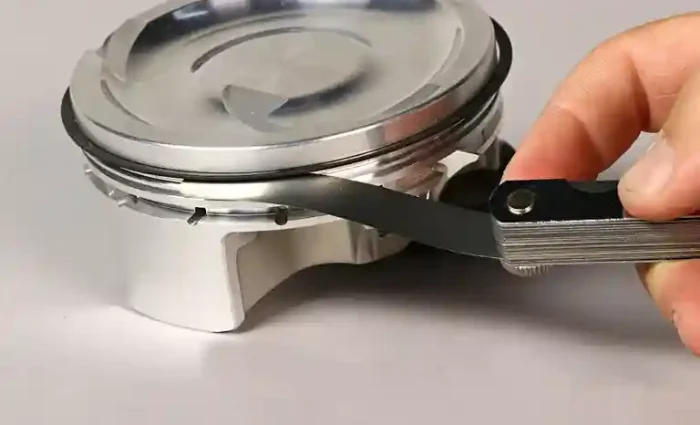
Choosing the right steel piston rings is essential for the performance and longevity of an engine. Piston rings help seal the combustion chamber, control oil consumption, and transfer heat from the piston to the cylinder wall. If the wrong piston rings are used, engines can lose power, consume more fuel, or even suffer severe damage.
Understanding how to select high-quality steel piston rings can save time, money, and prevent engine problems in the future. The following tips provide guidance for selecting the best piston rings for different types of engines.
1. Understand the Engine Requirements
Before choosing steel piston rings, it is important to understand the engine’s specific requirements. Engines differ in size, power output, and operating conditions, so piston rings must match these factors. High-performance engines often need rings that can handle higher pressure and temperature.
On the other hand, everyday engines in vehicles or machinery may require standard rings designed for durability and efficiency. Checking the engine manual or manufacturer’s recommendations ensures that the selected piston rings will provide proper fit and performance.
2. Consider Material Quality
The quality of steel used in piston rings affects their strength, durability, and resistance to wear. High-quality steel rings can withstand high heat and friction without breaking or losing their shape. Low-quality rings may wear out quickly or even damage the cylinder walls.
Look for steel that has been treated to resist corrosion and heat, as this extends the lifespan of the rings. Selecting rings made from high-grade steel also improves engine efficiency by maintaining a better seal in the combustion chamber.
3. Check Ring Size and Fit
Piston rings must fit perfectly inside the cylinder to work effectively. If the rings are too tight, they may cause excessive friction and heat, leading to engine damage. If they are too loose, they can leak combustion gases and reduce engine performance.
Measuring the cylinder bore and consulting sizing charts from manufacturers can help ensure the correct ring size. Properly fitting rings reduce wear on both the piston and cylinder walls and maintain smooth engine operation over time.
4. Look for Coatings and Treatments
Many steel piston rings come with special coatings or surface treatments to improve performance. Coatings such as chromium or molybdenum reduce friction, resist corrosion, and protect the rings under extreme conditions. Surface treatments can also improve the ring’s ability to seal the combustion chamber and transfer heat efficiently.
Choosing coated or treated rings can be particularly beneficial for engines that operate in harsh environments or at high speeds. These features help extend the engine’s life and reduce maintenance costs.
5. Choose Reputable Brands
Buying piston rings from a trusted brand ensures higher quality and reliability. Reputable manufacturers test their rings for durability, heat resistance, and proper fit before selling them. Low-quality or counterfeit rings may appear similar but often fail under pressure, causing engine damage.
Investing in recognized brands provides confidence that the rings will perform well and last longer. Reading reviews and checking warranty information can also guide the selection of reliable steel piston rings.
Conclusion
Selecting the right steel piston rings is crucial for engine performance and durability. Understanding engine requirements, checking material quality, ensuring the correct size and fit, considering coatings or treatments, and choosing reputable brands all contribute to making the best choice.
Using high-quality piston rings reduces the risk of engine problems, improves efficiency, and saves money on repairs over time. Taking time to choose the right rings ensures that engines operate smoothly and remain reliable for years.