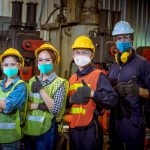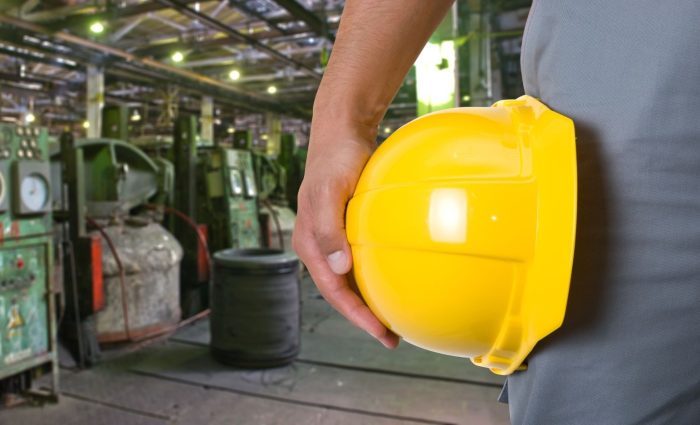
Industrial workplaces are dynamic, fast-paced, and filled with potential hazards. From heavy machinery to electrical systems and human error, even a small lapse can lead to serious injuries, downtime, or worse. This is why industrial safety training is not just a regulatory requirement but a core business necessity. Companies that invest in structured safety training see fewer accidents, higher productivity, and stronger employee trust. Workplace accident prevention does not happen by chance. It is built through consistent education, clear processes, and a culture that values safety as much as output. In this guide, we explore seven proven ways industrial safety training helps reduce workplace accidents while supporting employee safety programs and OSHA compliance. The goal is simple: help you create a safer, more resilient industrial environment without overcomplicating the process.
Why Industrial Safety Training Matters in Manufacturing
Manufacturing environments expose workers to risks every single day. Moving equipment, sharp tools, hazardous materials, and high noise levels create conditions where accidents can happen quickly. Industrial safety training gives employees the knowledge and confidence to work safely in these conditions. When workers understand hazards and proper procedures, they are less likely to take shortcuts or make dangerous assumptions. Training also reduces the hidden costs of accidents, such as lost productivity, legal issues, insurance claims, and damaged equipment. Beyond numbers, it protects human lives, which should always be the top priority.
Common Causes of Workplace Accidents in Industrial Settings
Most workplace accidents are preventable. They often stem from predictable issues such as inadequate training, poor communication, or outdated procedures. New employees may not fully understand machine operation. Experienced workers may grow complacent over time. Fatigue, time pressure, and unclear safety responsibilities also play a role. Another common cause is the lack of hazard awareness. Employees may walk past unsafe conditions because they do not recognize the risk or assume someone else will address it. When industrial safety training is inconsistent or poorly delivered, these gaps widen and accidents become more frequent.
High-Risk Areas in Manufacturing Facilities
Certain areas consistently present higher risks than others. Machine operation zones are a leading source of injuries due to improper handling or lack of guarding. Material handling areas expose workers to lifting injuries, slips, and collisions. Electrical panels and chemical storage zones pose serious risks if safety protocols are ignored. Effective industrial safety training focuses extra attention on these high-risk areas and ensures employees understand both the dangers and the correct preventive actions.
7 Proven Ways Industrial Safety Training Reduces Workplace Accidents
Industrial safety training works best when it is practical, ongoing, and embedded into daily operations. Below are seven proven methods that consistently reduce workplace accidents across industrial settings.
1. Standardized Safety Onboarding for New Employees
First impressions matter, especially in safety. New employees are statistically more likely to get injured during their first few months on the job. A standardized safety onboarding program ensures every worker starts with the same foundational knowledge. This includes site-specific hazards, emergency procedures, personal protective equipment usage, and basic OSHA compliance requirements. When onboarding is rushed or informal, critical details are missed. Expert advice is to treat safety onboarding as seriously as technical training. A well-structured introduction reduces early accidents and sets expectations that safety is non-negotiable.
2. Regular Safety Refresher Courses
Safety knowledge fades over time. Processes change, equipment gets upgraded, and new risks emerge. Regular refresher training keeps safety top of mind and prevents complacency. Short, focused sessions are often more effective than long lectures. They allow employees to revisit key practices and ask questions based on real experiences. Expert trainers recommend aligning refreshers with actual incident data. If a specific type of near-miss is increasing, address it immediately through targeted training. This proactive approach strengthens workplace accident prevention efforts.
3. Hands-On Training for Equipment and Machinery
No amount of written instruction can replace hands-on learning. Many industrial accidents happen because workers misunderstand how a machine behaves under real conditions. Practical demonstrations allow employees to experience safe operation firsthand. They learn correct startup procedures, shutdown processes, and emergency stops. Hands-on training also builds muscle memory, which is critical during high-pressure situations. Experts advise pairing classroom instruction with supervised practice to reinforce learning and reduce errors on the shop floor.
4. Hazard Identification and Risk Awareness Training
Employees are the first line of defense against hazards. Hazard identification training teaches workers how to spot unsafe conditions before they lead to accidents. This includes recognizing worn equipment, blocked exits, unstable loads, and unsafe behaviors. Training should also encourage reporting without fear of blame. When employees feel safe speaking up, risks are addressed faster. Expert advice is to use real examples from your facility rather than generic scenarios. This makes training more relatable and effective for workplace accident prevention.
5. Emergency Response and Incident Management Drills
Even with strong prevention efforts, emergencies can still occur. Fires, chemical spills, and medical incidents require fast, coordinated responses. Industrial safety training prepares employees to act calmly and correctly under pressure. Regular drills help workers understand their roles and reduce panic. Training should cover evacuation routes, first aid basics, and communication protocols. Experts stress that drills should be realistic but not disruptive. The goal is confidence, not fear. Well-trained teams minimize injuries and property damage during emergencies.
6. Safety Leadership and Supervisor Training
Supervisors play a critical role in enforcing safety standards. If leaders ignore unsafe behavior, employees will follow suit. Safety leadership training teaches supervisors how to model safe practices, correct issues respectfully, and reinforce policies consistently. This training also helps leaders recognize early warning signs such as fatigue or rushed behavior. Expert advice is to integrate safety goals into performance evaluations for supervisors. When leadership is accountable, employee safety programs become far more effective.
7. Continuous Safety Performance Monitoring and Feedback
Industrial safety training should not end after delivery. Continuous monitoring ensures training is actually working. This includes tracking incident rates, near-miss reports, and employee feedback. When data shows improvement, it reinforces positive behavior. When problems persist, training can be adjusted quickly. Experts recommend sharing safety performance data transparently with employees. This builds trust and reinforces the shared responsibility for safety.
Aligning Industrial Safety Training with OSHA Compliance
OSHA compliance is often seen as a burden, but it should be viewed as a framework for safer operations. Industrial safety training aligned with OSHA standards ensures legal requirements are met while protecting workers. Training should cover relevant regulations, proper documentation, and reporting procedures. Keeping accurate training records is essential during inspections. Expert advice is to go beyond minimum compliance. Facilities that treat OSHA guidelines as a baseline, not a ceiling, tend to experience fewer accidents and stronger safety cultures.
How Employee Safety Programs Strengthen Safety Culture
A safety culture exists when employees actively care about their own safety and that of others. Employee safety programs turn training into daily behavior. These programs may include safety committees, suggestion systems, and recognition for safe practices. When workers are involved in safety decisions, they take ownership of outcomes. Experts emphasize that safety culture grows through consistency. Training, communication, and leadership behavior must align. Mixed messages quickly undermine trust and effectiveness.
Measuring the Effectiveness of Industrial Safety Training
You cannot improve what you do not measure. Measuring training effectiveness helps justify investment and identify gaps. Common indicators include reduced injury rates, fewer near-misses, and improved audit results. Employee feedback is equally important. Workers can often identify unclear procedures or unrealistic rules. Expert advice is to combine quantitative data with qualitative insights. This balanced approach provides a clearer picture of how industrial safety training impacts workplace accident prevention.
Challenges in Implementing Safety Training Programs
Implementing safety training is not without challenges. Time constraints, budget limits, and resistance to change are common obstacles. Some employees may view training as repetitive or unnecessary. Others may struggle with language or literacy barriers. Experts recommend addressing these challenges openly. Use clear, simple language. Offer training in multiple formats. Explain why procedures exist rather than just enforcing them. When employees understand the reasoning behind rules, compliance improves naturally.
Conclusion
Industrial safety training is one of the most effective tools for reducing workplace accidents. When done right, it protects employees, strengthens safety culture, and supports OSHA compliance without slowing operations. The seven proven methods discussed show that safety is not about paperwork or fear. It is about knowledge, consistency, and leadership. By investing in practical training and strong employee safety programs, organizations create environments where workers feel confident, valued, and protected. Workplace accident prevention is not a one-time effort. It is an ongoing commitment that pays off in safer operations, better morale, and long-term success.