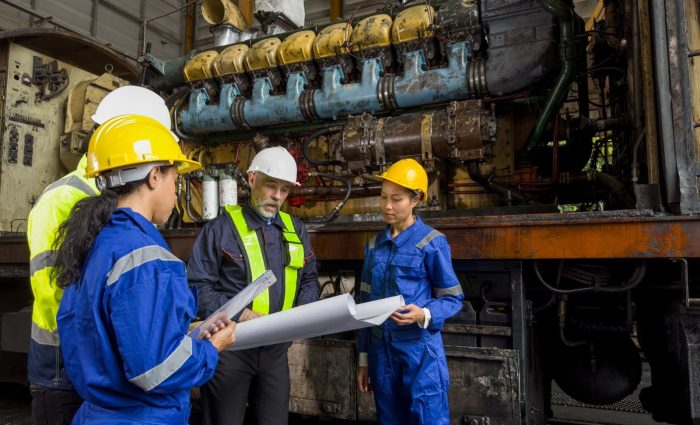
Equipment reliability is the most important in the world of industrial operations. The efficient machinery is beneficial in increasing productivity besides being vital in ensuring the safety standards and reducing the cost of operations. Preventive maintenance (PM) refers to a preventative method that emphasizes routine maintenance to avoid any unexpected failures in equipment and increase the life of equipment. This blog discusses the importance of having preventive maintenance planning, the main aspects of this planning, how it can be effectively implemented, and the advantages it has to organizations.
The Knowledge of Preventive Maintenance
Preventive maintenance can be described as planned maintenance procedures that are aimed at averting the breakdown of equipment before it happens. As opposed to reactive maintenance where there are problems that are solved once they occur, preventive maintenance seeks to detect and fix possible problems by conducting routine inspections, servicing and replenishing the product or machinery. This proactive strategy may save a lot of downtime and repair costs and the operations are going to be smooth.
Key Features of Preventive Maintenance:
Scheduled Inspections: Regular checks on equipment to identify wear and tear.
Routine Servicing: Performing necessary repairs and replacements based on manufacturer guidelines.
Systematic Approach: Following established protocols and schedules to maintain equipment.
The Importance of Preventive Maintenance Planning
Implementing a preventive maintenance plan is crucial for several reasons:
1. Increased Equipment Reliability
Improved reliability of equipment is one of the main benefits of preventive maintenance. Routine checks and maintenance will allow discovering the arising problems before they transform into significant failures. This dependability is the assurance that the machinery will be efficient and prevents the chances of unforeseen failure of machinery.
2. Cost Savings
Although preventive maintenance involves an initial outlay both in terms of time and cost, it ends up saving a lot of money. Organizations can reduce the costs of operation as well as improve on the ROI by avoiding the need to do significant repairs and prolong the life of equipment. It has been established that through preventive maintenance, companies can save up to 12-18 per cent of the overall maintenance expenses.
3. Improved Safety
The use of unsafe equipment can be very dangerous to the employees as well as to the environment. Frequent maintenance inspections are beneficial in keeping the equipment safe and in line with the industry requirements. A properly maintained machine will not fail to work easily, the chances of accidents and injuries are minimized.
4. Enhanced Productivity
Equipment downtime may affect the production schedules and results in lost revenues. Preventive maintenance assists in ensuring a steady percentage of productivity by minimizing unexpected downtimes. When the equipment is sound, the employees do not have to worry about any interruptions as they can concentrate on their work.
Key Components of Preventive Maintenance Planning
A well-structured preventive maintenance plan typically includes the following components:
1. Asset Inventory
The initial step towards developing a preventive maintenance plan is the preparation of inventory of every equipment and asset. This inventory must cover in detail the specifications concerning each equipment, including its age, the manufacture, its history of maintenance and specifications. A proper asset inventory forms the basis of a successful maintenance planning.
2. Maintenance Schedule
Having an organizational arrangement on the regular maintenance is a major factor in ensuring that all equipment is attended to in time. This plan must indicate how often the inspections and servicing will be carried out according to the recommendations of the manufacturer and requirements of the work. With a clear maintenance schedule, it is possible to make sure that every equipment is not neglected and that maintenance is organized properly.
3. Standard Operating Procedures (SOPs)
Standard Operating Procedures (SOPs) are essential for guiding maintenance activities. These documents should outline step-by-step instructions for conducting inspections, servicing equipment, and performing repairs. SOPs ensure consistency in maintenance practices and provide a reference for employees.
4. Training and Development
Equipping maintenance personnel with the necessary skills and knowledge is vital for successful preventive maintenance. Organizations should invest in training programs that cover equipment operation, maintenance procedures, and safety protocols. A well-trained workforce is better prepared to identify potential issues and execute maintenance tasks effectively.
Strategies for Effective Preventive Maintenance Implementation
Implementing a successful preventive maintenance plan involves several strategies:
1. Utilize Maintenance Management Software
Leveraging technology can significantly enhance preventive maintenance planning. Maintenance management software helps organizations track maintenance schedules, document service history, and manage work orders efficiently. These tools can automate reminders for upcoming maintenance tasks and provide valuable data for analysis.
2. Monitor Equipment Performance
Regular monitoring of equipment performance is essential for identifying trends and potential issues. Utilizing sensors, IoT devices, and data analytics can provide real-time insights into equipment health. Monitoring systems can alert maintenance personnel to deviations from normal operating conditions, enabling timely interventions.
3. Conduct Root Cause Analysis
When equipment failures do occur, conducting a thorough root cause analysis is essential for preventing recurrence. Investigating the underlying causes of failures helps organizations identify weaknesses in their maintenance practices and make necessary adjustments to their preventive maintenance plans.
4. Engage Employees in Maintenance Practices
Creating a culture of safety and maintenance awareness among all employees is crucial. Encourage employees to report unusual sounds, vibrations, or performance issues they observe while operating machinery. Engaging all staff in maintenance practices fosters a sense of ownership and responsibility for equipment care.
Benefits of Preventive Maintenance Planning
The advantages of a well-executed preventive maintenance plan are numerous and impactful:
1. Extended Equipment Lifespan
Regular maintenance activities can significantly extend the lifespan of equipment. By addressing wear and tear promptly, organizations can avoid premature equipment replacements and maximize their investment in machinery.
2. Reduced Downtime
Preventive maintenance helps minimize unplanned downtime caused by equipment failures. By addressing potential issues before they escalate, organizations can maintain consistent production schedules and avoid costly interruptions.
3. Enhanced Operational Efficiency
Well-maintained equipment operates more efficiently, leading to improved productivity. Efficient machinery consumes less energy and resources, contributing to lower operational costs.
4. Improved Compliance
Many industries are subject to regulatory requirements regarding equipment maintenance and safety standards. Implementing a preventive maintenance plan helps organizations comply with these regulations, minimizing the risk of fines and legal issues.
Conclusion
Preventive maintenance planning plays a vital role in the successful running of industries. Reliability, minimize costs and improve workplace safety can be achieved by organizations by actively responding to equipment requirements by conducting routine inspections, servicing and training employees. Preventive maintenance is not only beneficial to equipment, but also adds to the safety and operating excellence culture.
Preventive maintenance plan is not just a decision but a necessity to organizations that would wish to succeed in the current competitive environment. With the ever changing nature of industries, the value of ensuring reliability and safety of equipment will keep increasing. Through giving more emphasis on preventive maintenance, the organizations are able to make sure that their operations will be efficient, cost-effective and safe to all employees.