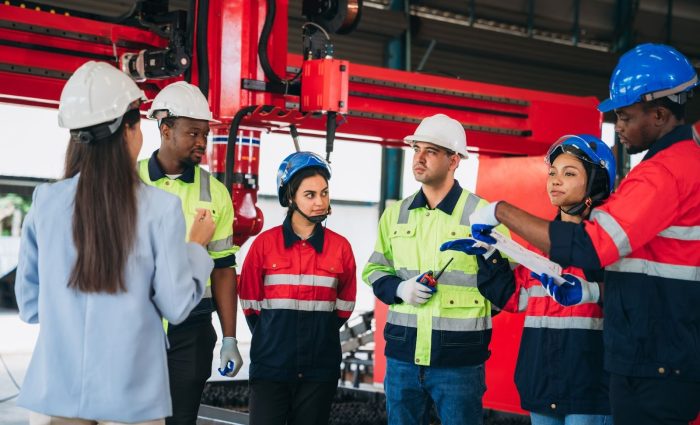
Safety in the workplace forms a priority issue in the current industrial settings as opposed to secondary issues. Preventable accidents at the workplace cause injuries, illness, financial loss and disruption to operation every year. Awareness of hazards in the workplace is critical towards mitigating these risks by enabling organizations to determine the potential risks, evaluate their effects, and use effective measures to prevent them.
Hazard awareness is not only about conformance to the rules, but also about instilling a culture where safety has become part and parcel of the day to day operations. This blog examines the primary types of hazards at the workplace, why hazard awareness is vital, methods of risk identification, and the best practices that have been adopted in avoiding industrial accidents.
Understanding Workplace Hazards
Workplace hazards refer to situations, processes or materials that may inflict injuries in case they are not addressed well. The hazards that occur in the industrial environment are typically categorized into five broad groups.
1. Physical Hazards
The most obvious and widespread risks at the industrial workplaces are physical hazards. They include:
Slips, Trips, and Falls: This is as a result of wet floors, unequal flooring, lack of proper lighting, or walkways that are cluttered.
Machinery and Equipment Hazards: Moving parts without guards, broken tools, incompetent work of a machine.
Noise Exposure: Repeated exposure to a high level of noise which may cause hearing losses.
Temperature Extremes: Overheating or over-cooling that can cause heat exhaustion, dehydration or hypothermia.
2. Chemical Hazards
The exposure to dangerous substances in the form of solid, liquid or gases leads to chemical hazards. Common examples include:
Toxic Chemicals: This is a substance that leads to respiratory complications, burn or complications that are long lasting.
Flammable Materials: Chemicals, which may ignite or explode in case of poor storage or handling.
Corrosive Substances: It consists of materials that destroy the skin, eyes, or machines in touch.
3. Biological Hazards
Biological hazards involve exposure to harmful organisms or biological materials. These hazards are especially common in healthcare, agriculture, laboratories, and waste management. Examples include:
Infectious Agents: Bacteria, viruses, and fungi that spread through contact or airborne transmission.
Allergens: Mold, animal proteins, or biological substances that trigger allergic reactions.
4. Ergonomic Hazards
Ergonomic hazards occur when workplace conditions place excessive strain on the body. Common risks include:
Repetitive Movements: Tasks that increase the risk of musculoskeletal disorders.
Poor Posture: Improper workstation design causing long-term discomfort or injury.
Manual Handling: Incorrect lifting or carrying techniques leading to back and joint injuries.
5. Psychosocial Hazards
Psychosocial hazards affect mental health and emotional well-being. These include:
Workplace Stress: High workloads, tight deadlines, or lack of support.
Harassment or Bullying: Behaviors that create a hostile or unsafe work environment.
Burnout: Chronic stress resulting in fatigue, disengagement, and reduced productivity.
The Importance of Workplace Hazard Awareness
Protecting Employee Health and Safety
The primary goal of hazard awareness is preventing injuries, illnesses, and fatalities. Identifying risks early allows organizations to implement controls that protect employees and promote long-term well-being.
Enhancing Productivity and Morale
Employees perform better when they feel safe. A secure work environment reduces distractions, absenteeism, and turnover while boosting morale and efficiency.
Ensuring Legal and Regulatory Compliance
Organizations must comply with occupational health and safety regulations. Failure to address hazards can result in fines, legal action, and operational shutdowns. Hazard awareness supports consistent compliance.
Reducing Financial and Reputational Risk
Workplace accidents can lead to medical expenses, compensation claims, equipment damage, and reputational harm. Proactive hazard management significantly reduces these costs.
Strategies for Identifying Workplace Hazards
Regular Workplace Inspections
Scheduled inspections help identify hazards before incidents occur. Inspections should cover all equipment, work areas, and processes.
Employee Involvement
Employees are often the first to notice hazards. Encouraging reporting and participation in safety initiatives builds accountability and improves hazard detection.
Incident and Near-Miss Analysis
Reviewing accidents and near misses reveals patterns and root causes. Learning from these events helps prevent future incidents.
Safety Audits
Safety audits provide a structured evaluation of policies, procedures, and compliance. They highlight gaps and opportunities for improvement.
Staying Informed on Industry Standards
Emerging technologies and processes introduce new risks. Staying updated on industry regulations and best practices ensures effective hazard management.
Best Practices for Preventing Industrial Risks
Develop a Comprehensive Safety Plan
A safety plan outlines hazard control measures, roles, training requirements, and emergency responses. It should be reviewed and updated regularly.
Provide Continuous Employee Training
Training improves hazard recognition and safe behavior. Programs should cover equipment use, emergency procedures, PPE, and reporting protocols.
Implement Engineering Controls
Engineering controls address hazards at their source, such as:
Machine guarding
Improved ventilation systems
Ergonomic workstation design
Apply Administrative Controls
Administrative controls reduce exposure through policies and procedures, including:
Job rotation
Safe work practices
Break schedules to prevent fatigue
Provide and Enforce PPE Use
Personal Protective Equipment is essential when hazards cannot be fully eliminated. Employers must provide suitable PPE and ensure proper training on its use.
Establish Clear Emergency Procedures
Emergency response plans for fires, chemical spills, or medical incidents must be communicated clearly. Regular drills reinforce preparedness.
FAQs
1: How often should workplace hazard assessments be conducted?
Workplace hazard assessments should be conducted regularly, typically annually, and whenever there are changes in equipment, processes, or work environments. Additional assessments should follow accidents or near misses. Frequent evaluations ensure emerging risks are identified early, controls remain effective, and safety practices stay aligned with regulatory requirements and operational changes.
2: What role do employees play in workplace hazard awareness?
Employees play a critical role in hazard awareness because they interact directly with workplace conditions daily. Their observations help identify risks that inspections may miss. Encouraging employees to report hazards, participate in safety training, and follow safety procedures strengthens overall workplace safety and promotes a shared responsibility culture.
Final Thoughts
A safe, productive and sustainable industrial environment is based on workplace hazard awareness. Being knowledgeable about the types of hazards, proactive in risk detection, and implementing the most efficient prevention nets, the organizations can safeguard their employees, increase the efficiency of operations, and ensure the regulation is upheld.
Safety should be an ongoing commitment which should be reinforced by training, employee participation as well as frequent assessment. In a dynamic industrial environment, proactivity with regard to hazards at work is a sure way of staying resilient, successful in the long term, and having healthier employees.
Workplace safety is not merely a legal issue, but it is also a moral issue to invest in. Companies that give value to hazard awareness show real concern to their human resource and create a good base towards development, faith and sustainability.