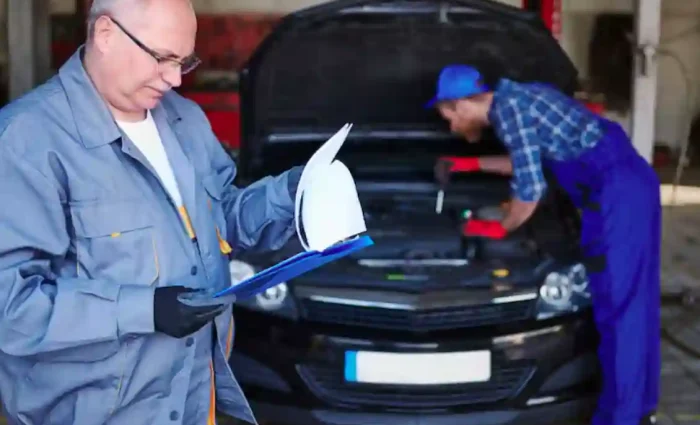
The safety of a vehicle is a paramount concern for every driver, influencing not only personal well-being but also the security of others on the road. Regular maintenance is essential, but periodic, comprehensive evaluations are what truly ensure a car is fit for travel.
When seeking a facility to conduct professional automotive safety inspections, it is vital to understand that not all service providers offer the same level of scrutiny.
A high-quality assessment involves a combination of skilled technicians, advanced diagnostic tools, and a commitment to rigorous safety standards.
Evaluating Technical Proficiency and Licensing
The first step in choosing a service provider is verifying the credentials of the staff. A reliable facility should employ technicians who are certified by recognized automotive authorities.
These professionals have undergone extensive training to identify subtle signs of wear that might be missed by an untrained eye.
During official safety inspections, these experts examine critical components such as the steering linkage, suspension system, and frame integrity.
Choosing a licensed center ensures that the evaluation is performed according to established regulatory benchmarks, providing an accurate reflection of your vehicle’s condition.
Comprehensive Assessment of Braking and Tires
Two of the most critical safety features of any vehicle are its ability to stop and its grip on the road surface. A thorough examination must include a detailed look at the brake pads, rotors, and hydraulic lines to check for leaks or thinning materials.
Simultaneously, the tires must be inspected for proper tread depth, even wear patterns, and correct inflation levels. Comprehensive safety inspections prioritize these areas because failure in either system can lead to catastrophic accidents.
A good service center will provide precise measurements and alert you if these components are nearing the end of their functional life.
Inspection of Lighting and Visibility Components
Visibility is often an underrated aspect of vehicle safety. A proper check ensures that all exterior lights, including headlamps, turn signals, and brake lights, are functioning at optimal brightness.
Furthermore, the condition of the windshield and wiper blades is scrutinized to ensure a clear field of vision during adverse weather.
During professional safety inspections, technicians also verify that the mirrors are secure and that the defroster systems are operational. These checks are essential for maintaining communication with other drivers and ensuring the operator can react to road hazards promptly.
Fluid Levels and Engine Compartment Integrity
The health of the engine and its supporting systems plays a significant role in preventing sudden breakdowns that could leave a driver stranded in a dangerous location. Technicians should check for leaks in the fuel, oil, and coolant systems, while also inspecting the condition of belts and hoses.
Frayed belts or cracked hoses can lead to immediate engine failure. By including these elements in routine safety inspections, a service provider helps maintain the overall reliability of the vehicle, ensuring that mechanical failures do not compromise the safety of the passengers.
Documentation and Transparency of Findings
A reputable service center will always provide a detailed report outlining the results of the evaluation. This documentation should clearly categorize items as passed, requiring monitoring, or needing immediate repair. Transparency is a key indicator of a trustworthy facility.
If a technician recommends a repair, they should be able to show you the worn part or provide photographic evidence of the issue. Clear communication regarding the severity of identified faults allows you to make informed decisions about necessary repairs and budget accordingly.