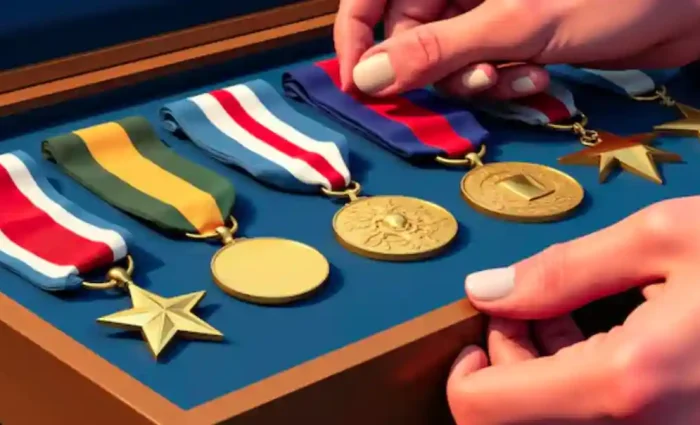
Creating a commemorative award requires a thoughtful balance between aesthetic appeal, material durability, and the specific significance of the event.
Whether you are organizing a local sports tournament, a corporate recognition ceremony, or an academic competition, the quality of the award reflects the prestige of the occasion.
Selecting the right manufacturer and design elements is crucial to ensuring that the recipients feel truly honored. This guide explores the foundational elements of production that every event organizer should evaluate before they decide to order custom medals for their upcoming celebration.
Choosing the Right Base Material and Plating
The most significant factor in the longevity and perceived value of an award is the material used during the casting process. Most high-quality awards are made from zinc alloy, brass, or iron, each offering different levels of weight and detail retention.
Zinc alloy is particularly popular because it allows for intricate 3D designs while remaining cost-effective. After the base is cast, various plating options like polished gold, antique silver, or rose copper are applied to achieve the desired finish.
Understanding these material properties helps you choose custom medals that feel substantial in the hand and maintain their luster over many years.
Selecting the Ideal Manufacturing Technique
There are several ways to bring a design to life, and the method you choose will impact both the cost and the final look. Die-casting is the industry standard for creating complex shapes and cut-outs, whereas die-striking is often preferred for traditional, high-relief metal finishes.
If your design includes vibrant colors, you must choose between soft enamel and hard enamel. Hard enamel provides a smooth, polished surface where the colors are level with the metal borders, creating a premium feel.
Selecting the right technique ensures that your custom medals accurately represent your brand or organization logo with sharp, clean lines.
Designing the Shape and Size for Maximum Impact
While circular awards are the traditional choice, modern manufacturing allows for almost any silhouette imaginable. Custom shapes that mimic a company logo, a specific piece of equipment, or a geographic map can make an award stand out.
The size of the piece also plays a role in its significance; standard sizes usually range from two to three inches in diameter.
Larger, heavier pieces are often reserved for top-tier achievements, while smaller versions are suitable for participation awards. Carefully considering the dimensions ensures that the award is appropriate for the age and achievement level of the participants.
Customizing Ribbons and Attachment Methods
The presentation of an award is incomplete without a high-quality neck ribbon. Ribbons can be customized using screen printing or sublimation, allowing you to include event dates, sponsor logos, or specific color patterns.
The width of the ribbon should be proportional to the weight of the metal piece to ensure it hangs correctly. Additionally, consider how the ribbon is attached; sewn-in loops provide a more integrated look than simple clip-on attachments.
These small details contribute to the overall professional appearance of the custom medals and enhance the experience for the person receiving the award.
Planning for Production Lead Times and Logistics
Designing a unique award is a time-consuming process that involves digital proofing, mold creation, and manual finishing. It is essential to start the procurement process at least six to eight weeks before your event date to account for potential shipping delays or design revisions.
Working with an experienced supplier allows you to see a digital mockup before the mass production begins, reducing the risk of errors.
Planning ahead ensures that you have ample time to inspect the final products and make any necessary adjustments, ensuring that your custom medals arrive well in advance of the ceremony.