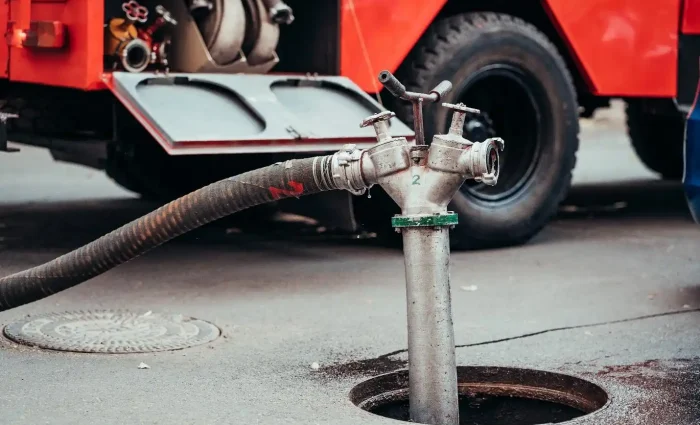
Most domestic customers do not consider the wastewater system until something begins to stink or the drain lines become clogged. It is the time when residential lift stations and septic pumping suddenly become important. Such systems silently transport and process waste materials on a daily basis to make homes clean and safe.
Problems accumulate rapidly once they are neglected. It can be followed by backups, sluggish drainage, and high costs of repair. The knowledge about the functioning of lift stations and septic systems can make you less stressed and less exposed to expenses. Being informed of when the septic tanks should be emptied also ensures nothing goes wrong.
What is a Residential Lift Station
A residential lift station is a wastewater helper, basically. When gravity fails to move sewage from a low level to a higher one, it is facilitated by a lift station. This system is likely to be necessary in homes constructed on flat ground or under a sewer line.
The wastewater is discharged into an underground tank. When the tank is filled to some level, the automatic pump is opened. The pump forces the wastes through the main sewer pipe or septic system. A residential lift station and septic pumping are crucial for safely managing household wastewater, preventing costly backups, and ensuring long-term system health.
Components Of Residential Lift Station
A lift station consists of a few major components that interact.
Wet Well: The basin or tank receives the wastewater discharged from the house. It has been closed against odors and leakages.
Pumps: The pump is the main worker. It forces wastewater to flow vertically using discharge pipes.
Float Switches: These operate on the float switches. They detect water forcibly and activate or switch the pump.
Control Panel: The control panel controls the power and safety alerts. When something does go wrong, the homeowners are informed of this through alarms long before damage occurs.
Discharge Pipe: The discharge pipe and the check valve do not allow the wastewater to flow in the reverse direction.
Septic Pumping System
A septic pumping system is a system that manages waste in houses that are not linked to sewer lines. Water in the form of wastewater enters a septic tank, in which the solids are deposited at the lower part, while the oils are found at the top.
In the long run, solid waste accumulates within the tank. That is where septic pumping is involved. Consistency in the maintenance of residential lift stations and the septic pumping system balances the system. Without pumping, the pipes can get clogged with solids, and the drain field can be damaged.
When Septic System Emptying is Needed
It is important to know when the septic system emptying is needed.
- The first sign is the slow drains in the house. Toilets can flush poorly. Gurgling of pipes is also a cause of alarm.
- Foul smells in the yard or on the drain stations indicate that the tank is full.
- One other red flag is standing water around the drain field.
- Sewage backing up in the drains is also a sign.
The majority of houses require the pumping of the sewage once every three to five years. Nevertheless, household size, water consumption, and the size of the tank can alter that schedule.