Safety in the manufacturing industry is not just a regulation but an underlying concept that guarantees the safety of the workers and the general effectiveness of the process. Safety standards in industry are very important in developing safer manufacturing conditions through developing protocols and guidelines that can reduce risks and improve the safety of the workplace. This blog will explore the significance of industrial safety standards, the most essential elements that make the manufacturing environment safe, the best practices that can be applied, and the case studies which are good examples of successful safety measures.
Understanding Industrial Safety Standards
The industrial safety standards are a set of rules and regulations that are set to ensure the safety of workers, equipment, and environment in manufacturing facilities. These standards are instituted by different organizations such as government agencies, industry bodies, and international organizations which are geared towards ensuring safety and minimizing workplace hazards.
Key Regulatory Bodies
Several key organizations set industrial safety standards, including:
- Occupational Safety and Health Administration (OSHA): A U.S. government agency that establishes and enforces safety regulations in the workplace. OSHA’s standards cover a wide range of industries and focus on minimizing workplace hazards.
- National Institute for Occupational Safety and Health (NIOSH): A research agency that provides recommendations for preventing workplace injuries and illnesses through research and education.
- American National Standards Institute (ANSI): An organization that oversees the development of voluntary consensus standards for various industries, including safety standards.
- International Organization for Standardization (ISO): An international body that develops and publishes global standards, including those related to occupational health and safety management systems (ISO 45001).
These organizations work collaboratively to create comprehensive safety standards that address a wide range of workplace hazards, including chemical exposure, machinery operation, ergonomics, and emergency preparedness.
The Importance of Industrial Safety Standards
Implementing industrial safety standards is essential for several reasons:
1. Protecting Employee Health and Safety
Health and safety of employees should be the main priority of any manufacturing plant. Observation of safety norms will allow organizations to minimize the risk of accidents, injuries and diseases to a significant extent. This does not only safeguard the workers but also promotes the safety culture in the organization. A safe workplace results in an increase in employee morale and job satisfaction which might increase productivity and decrease turnover.
2. Enhancing Operational Efficiency
A healthy working environment is a high output environment. Employees would be able to concentrate on their work without worrying about possible hazards because they are safe and secure. This will result in increased efficiency and productivity and this will be beneficial to the bottom line of the organization. Also, there will be fewer accidents, which will result in the absence of downtime and minimal disruption of the working process, as well as higher productivity.
3. Reducing Financial Liabilities
Accidents at work place may contribute to huge financial expenses such as medical costs, litigation costs and compensation claims. Organizations can reduce these risks by investing in safety standards and practice to prevent expensive incidents which may damage their reputation and finances. Accidental costs may go beyond the immediate cost of medical care and into insurance premium cost and in fact could cause an increase in the cost of operations.
4. Complying with Legal Requirements
The non-observance of industrial safety standards may lead to punishment and fines and legal consequences. By following the set safety codes, employees are not only safeguarded but also organizations are in line with the local, state and federal laws. Safety-oriented organizations are more well-regarded and are able to enjoy favor in the eyes of the regulators and receive incentives or less regulation.
Key Components of Industrial Safety Standards
To effectively create safer manufacturing environments, several key components of industrial safety standards must be addressed:
1. Hazard Identification and Risk Assessment
The initial step towards a safe working environment is the identification of potential hazards at the workplace. Organizations ought to carry out frequent risk calculation in order to determine dangers associated with machinery, chemicals, ergonomics, and others. This is a proactive strategy that allows companies to take the right precautionary measures in place of accidents. The risk assessments must be thorough and are supposed to embrace the input of employees at all levels because they are able to give valuable information concerning the potential hazards due to their encounters.
2. Safety Training and Education
In developing a safety culture, it is important to provide the employees with comprehensive safety training. Some of the areas that should be trained are effective handling of equipment, emergency operations, and detection of hazards. Training and renewal would ensure that the safe practice is reinforced and safety is kept in the minds of the employees. The training programs should be tailored to the needs of the various positions at the company so that the needs of all employees are met with relevant and applicable information.
3. Personal Protective Equipment (PPE)
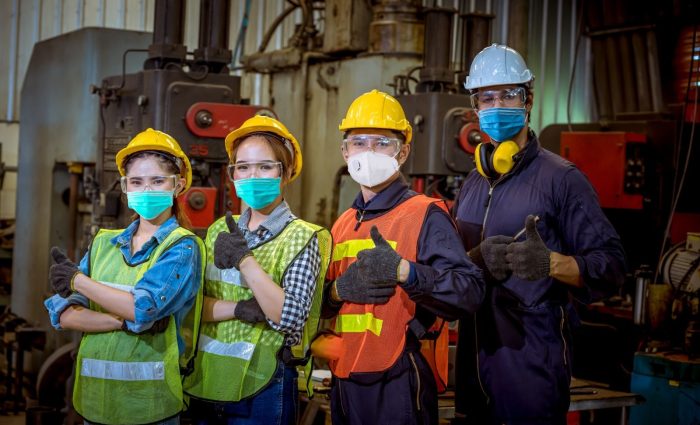
Personal protective equipment is an important aspect of workplace safety. Depending on the hazards identified, the organizations should make sure that the employees are supplied with the right PPE, including helmets, gloves, goggles, and respirators. Employees should also be trained on how to use and maintain PPE and how to use them properly. The employers should also carry out a regular evaluation and renewal of PPE in order to determine that it is up to the current safety requirements and does not harm employees.
4. Safety Protocols and Procedures
It is important to set safety guidelines and measures in order to make employees aware of their contribution to the safety culture. This will involve instructions on how to use the machinery, how to deal with dangerous materials and how to react to the emergencies. These protocols should also be revised and checked on a regular basis so that they are effective. Also, engaging the employees in the formulation of these protocols may increase the number of the employees who will adhere to these protocols.
5. Emergency Preparedness and Response
Emergency preparedness like fire, chemical spillage or natural disaster mitigation is an important requirement of industrial safety standards. Organizations are supposed to create and communicate the emergency response plans, hold the drills, and make sure that the employees are aware of the evacuation routes and the evacuation procedures. The effectiveness of these plans can be checked and optimized regularly making sure that employees are ready to take the necessary actions during the emergency.
Best Practices for Implementing Industrial Safety Standards
To effectively implement industrial safety standards in manufacturing environments, organizations can adopt several best practices:
1. Foster a Safety Culture
Creating a culture of safety within the organization is essential for encouraging employees to prioritize safety. Leadership should actively promote safety initiatives, recognize employees for safe behavior, and encourage open communication about safety concerns. Safety should be integrated into the company’s values and mission, emphasizing its importance at every level of the organization.
2. Involve Employees in Safety Initiatives
Engaging employees in safety initiatives helps create a sense of ownership and accountability. Encourage employees to participate in safety committees, share their insights on potential hazards, and contribute to developing safety protocols. When employees feel invested in safety initiatives, they are more likely to adhere to safety practices and report hazards.
3. Regular Inspections and Audits
Conducting regular safety inspections and audits is crucial for identifying potential hazards and ensuring compliance with safety standards. These inspections should be systematic and thorough, covering all areas of the manufacturing facility. Following up on inspection findings with corrective actions demonstrates a commitment to safety and provides opportunities for continuous improvement.
4. Utilize Technology for Safety Improvements
Leveraging technology can enhance workplace safety. This may include implementing safety management software, using wearables to monitor employee health, or integrating automation to reduce human exposure to hazardous tasks. Technologies such as drones or augmented reality can also be used for inspections and training, providing innovative solutions to traditional safety challenges.
5. Continuous Improvement
Safety standards should not be static; organizations must continuously assess and improve their safety practices. Regularly review incident reports, gather employee feedback, and stay informed about advancements in safety standards and technologies. Establishing metrics for safety performance can help organizations track progress and identify areas for enhancement.
Conclusion
The standards of industrial safety are needed to develop safer workplaces that could shield workers, increase operational performance, and decrease financial costs. Organizations can develop a culture of safety that will run throughout all their operations by focusing on hazard identification, employee education and the development of positive safety rules and regulations.
A proactive attitude towards safety is not only a regulation that has to be followed in an industry prone to risks; it is a moral duty. Manufacturing plants can put their human capital in safety operations and standards, which can result in a long-term success of the company, as well as the health of the workers.