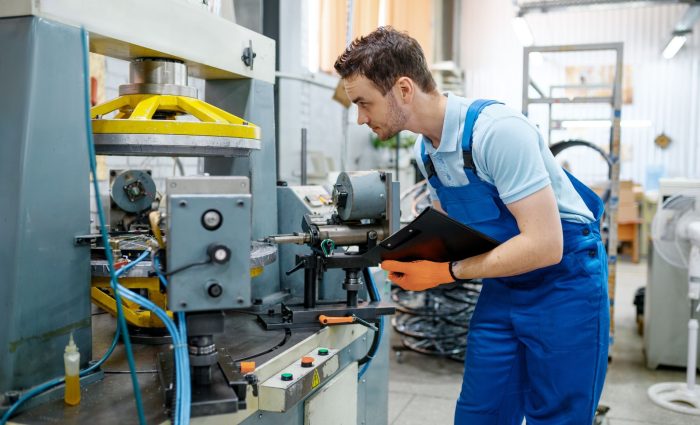
Industrial machinery is one of the biggest investments a manufacturing business makes. When equipment fails too soon, the cost goes far beyond repairs. Production stops, delivery timelines slip, and employee safety can be put at risk. This is why machinery maintenance strategies are no longer just a support function. They are a core part of operational success. The right approach to maintenance helps equipment last longer, perform better, and deliver consistent results year after year. In this guide, we will explore how structured maintenance planning, asset lifecycle management, and reliability improvement work together to extend equipment life and reduce unexpected failures. The focus is practical, realistic, and based on what works in real industrial environments.
Understanding Machinery Maintenance Strategies
Machinery maintenance strategies refer to the planned methods used to keep equipment running safely and efficiently throughout its useful life. These strategies define how often machines are inspected, how issues are identified, and how repairs are handled. A strong strategy balances cost, performance, and risk. It ensures machines are not neglected, but also not over-maintained. Poorly defined strategies often lead to reactive firefighting, where teams are constantly responding to breakdowns instead of preventing them. Well-designed strategies, on the other hand, support long-term asset lifecycle management by aligning maintenance activities with how equipment actually ages and performs over time.
Why Equipment Longevity Matters in Manufacturing
Equipment longevity directly impacts profitability. Machines that fail early require expensive replacements and disrupt production schedules. Frequent breakdowns also increase overtime costs and put pressure on maintenance teams. From a quality perspective, aging or poorly maintained equipment produces inconsistent output, leading to defects and rework. There is also a safety factor. Worn machines are more likely to malfunction and cause accidents. Improving longevity is not about keeping old machines running forever. It is about maximizing value during each stage of the asset lifecycle while supporting reliability improvement and stable operations.
Types of Machinery Maintenance Strategies
Different maintenance strategies serve different purposes. Most manufacturing plants use a combination of approaches depending on equipment criticality and operating conditions.
Preventive Maintenance
Preventive maintenance is based on scheduled inspections and routine servicing. Tasks such as lubrication, alignment checks, and component replacement are performed at set intervals. This approach helps catch issues early and reduces sudden failures. However, preventive maintenance must be carefully planned. Overdoing it can increase costs without adding value. When aligned with real equipment needs, it remains a powerful tool for extending machine life.
Predictive Maintenance
Predictive maintenance uses condition monitoring and performance data to determine when maintenance is actually needed. Sensors, vibration analysis, and thermal monitoring help identify early signs of wear. This strategy supports reliability improvement by focusing effort where it matters most. Predictive maintenance reduces unnecessary downtime and allows maintenance teams to plan repairs before failures occur. Expert advice is to start small, focusing on critical assets, rather than trying to monitor everything at once.
Corrective and Reactive Maintenance
Corrective maintenance addresses known issues that are not immediately critical, while reactive maintenance responds to breakdowns after they occur. Reactive maintenance should never be the primary strategy. It shortens equipment life and increases costs. That said, no plant can eliminate it entirely. The goal is to reduce reliance on reactive work by strengthening preventive and predictive practices.
Role of Maintenance Planning in Equipment Longevity
Maintenance planning is the backbone of effective machinery maintenance strategies. Without a clear plan, even skilled technicians struggle to stay ahead of problems. Maintenance planning defines what work will be done, when it will happen, and who is responsible. It balances production demands with equipment needs. Poor planning often leads to deferred maintenance, rushed repairs, and recurring failures. Strong planning improves coordination, reduces downtime, and ensures spare parts and tools are available when needed. Experts recommend aligning maintenance planning with production schedules early, rather than treating maintenance as an afterthought.
Integrating Asset Lifecycle Management into Maintenance
Asset lifecycle management looks at equipment from acquisition to disposal. Maintenance plays a critical role at every stage. During early life, the focus is on correct installation and operator training. In mid-life, maintenance aims to sustain performance and prevent wear-related failures. In later stages, data from maintenance records helps determine whether continued repairs make financial sense. Integrating lifecycle thinking into machinery maintenance strategies helps organizations make smarter decisions about upgrades, refurbishments, and replacements. It also prevents the common mistake of investing heavily in assets that are near the end of their useful life.
Best Practices for Improving Equipment Reliability
Reliability improvement does not happen by chance. It requires consistent effort and disciplined processes.
Standardizing Maintenance Procedures
Standard procedures reduce variability in how work is performed. When inspections and repairs follow clear guidelines, results become more predictable. Standardization also helps new technicians learn faster and reduces the risk of missed steps.
Training Maintenance and Operations Teams
Operators play a major role in equipment health. Poor operation accelerates wear and leads to avoidable failures. Training both maintenance and operations teams ensures machines are used and cared for correctly. Experts emphasize cross-training, where operators understand basic maintenance and technicians understand production realities.
Monitoring Performance and Failure Trends
Tracking performance data reveals patterns that would otherwise go unnoticed. Repeated failures of the same component often indicate deeper issues such as misalignment, poor lubrication, or design limitations. Using this data supports long-term reliability improvement and better maintenance planning.
Common Challenges in Machinery Maintenance
Even with good intentions, many organizations struggle to implement effective maintenance strategies. Common challenges include limited budgets, staffing shortages, and lack of accurate data. Maintenance teams are often stretched thin, focusing on urgent repairs rather than planned work. Communication gaps between production and maintenance create conflict and delays. Another challenge is resistance to change. Shifting from reactive to proactive maintenance requires cultural change, not just new tools. Expert advice is to address these challenges gradually. Small improvements, consistently applied, build momentum over time.
Measuring the Success of Machinery Maintenance Strategies
What gets measured gets improved. Measuring maintenance performance helps organizations understand whether their strategies are working. Common indicators include equipment downtime, mean time between failures, maintenance costs, and production output. However, numbers alone do not tell the full story. Feedback from technicians and operators provides valuable context. Experts recommend reviewing performance regularly and adjusting strategies based on results. Continuous improvement is essential for sustaining equipment longevity.
Expert Advice for Long-Term Equipment Longevity
Experienced maintenance professionals agree on a few key principles. First, focus on critical assets that have the biggest impact on operations. Second, invest in people, not just technology. Skilled, motivated teams extend equipment life more than any tool. Third, use data to guide decisions, but do not ignore practical experience. Finally, treat maintenance as a strategic function, not a cost center. When leadership supports maintenance planning and asset lifecycle management, reliability improvement follows naturally.
Frequently Asked Questions
What are machinery maintenance strategies?
Machinery maintenance strategies are structured approaches used to inspect, service, and repair equipment to ensure safe operation and long service life.
How does maintenance planning improve equipment longevity?
Maintenance planning ensures work is done at the right time with the right resources, reducing wear, breakdowns, and rushed repairs.
What is asset lifecycle management in maintenance?
Asset lifecycle management considers equipment from purchase to disposal, using maintenance data to maximize value and inform replacement decisions.
Is predictive maintenance better than preventive maintenance?
Predictive maintenance can be more efficient for critical assets, but preventive maintenance remains effective when well planned. Most plants benefit from using both.
How can reliability improvement be measured?
Reliability improvement is measured through reduced downtime, fewer failures, improved performance consistency, and lower maintenance costs.