In the evolving landscape of agriculture, modern farms must embrace innovative technologies and equipment to enhance productivity, efficiency, and sustainability. The right tools can significantly influence a farm’s success, from planting and harvesting to storage and transport. This article delves into the essential equipment that every modern farm should consider investing in to stay competitive and efficient.
Power Equipment: A Farming Necessity
Power equipment is a cornerstone of modern farming, playing a crucial role in automating labor-intensive tasks. It includes a wide range of machinery, such as plows, harrows, and mowers, which help in soil preparation and maintenance. By investing in high-quality power equipment, farmers can ensure timely operations, reduce manual labor, and increase overall efficiency. For instance, using advanced power equipment for tilling can significantly improve soil quality and crop yield by ensuring optimal soil aeration and nutrient distribution.
John Deere Farm Tractors: The Backbone of Efficient Farming
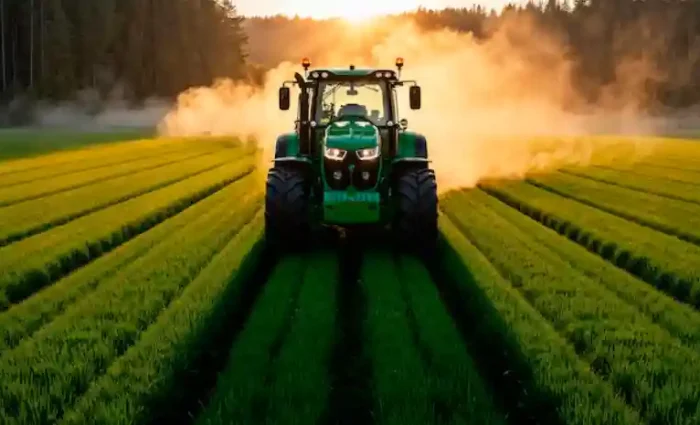
John Deere farm tractors are renowned for their reliability, versatility, and advanced technology, making them a preferred choice for farmers worldwide. These tractors are equipped with cutting-edge features that enhance performance and ensure ease of use, even in challenging terrains. John Deere farm tractors offer various models tailored to specific farming needs, from compact tractors for small farms to larger models for extensive agricultural operations. Their durability and robust design make them a sound investment for any modern farm looking to boost productivity.
Precision Agriculture Tools: Enhancing Farm Management
Precision agriculture tools are revolutionizing the way farmers manage their crops and resources. These tools include GPS technology, drones, and soil sensors, which provide real-time data on crop health, soil conditions, and weather patterns. By utilizing precision agriculture tools, farmers can make informed decisions, optimize resource usage, and increase yields. For example, drones equipped with multispectral cameras can monitor crop health, allowing farmers to address issues such as pest infestations or nutrient deficiencies promptly. This technology not only enhances productivity but also promotes sustainable farming practices by reducing waste and minimizing environmental impact.
Irrigation Systems: Ensuring Optimal Water Usage
Water management is a critical aspect of farming, and efficient irrigation systems are essential for ensuring crops receive the right amount of water. Modern farms can benefit from investing in advanced irrigation systems, such as drip or sprinkler irrigation, which offer precise water delivery to crops. These systems are designed to minimize water wastage and ensure uniform distribution, promoting healthy plant growth and reducing costs. Automated irrigation systems can further enhance efficiency by adjusting water delivery based on soil moisture levels and weather conditions, ensuring optimal water usage.
Storage Solutions: Safeguarding Produce Quality
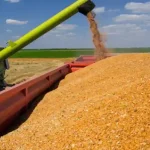
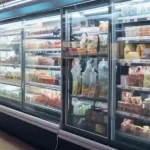
Proper storage solutions are vital for maintaining the quality and longevity of farm produce. Modern farms should invest in high-quality storage facilities, such as silos and refrigerated storage units, to protect their harvests from spoilage and pests. These storage solutions are designed to maintain optimal temperature and humidity levels, preserving the nutritional value and freshness of produce. Additionally, investing in automated storage systems can streamline the sorting, packaging, and inventory management processes, reducing labor costs and improving operational efficiency.
Renewable Energy Systems: Promoting Sustainability
As the agricultural sector moves towards sustainability, renewable energy systems are becoming increasingly important for modern farms. Solar panels and wind turbines offer farms a reliable and eco-friendly energy source, reducing dependency on fossil fuels and lowering energy costs. By harnessing renewable energy, farms can power equipment, irrigation systems, and storage facilities, promoting environmental sustainability and reducing carbon footprints. Investing in renewable energy systems not only supports sustainable farming practices but also provides long-term financial benefits through energy savings.
Conclusion
In conclusion, modern farming demands a strategic investment in essential equipment that enhances productivity, efficiency, and sustainability. From power equipment and John Deere farm tractors to precision agriculture tools and renewable energy systems, the right tools can transform agricultural operations and ensure long-term success. By embracing these innovations, farms can meet the challenges of today and thrive in the competitive agricultural landscape.