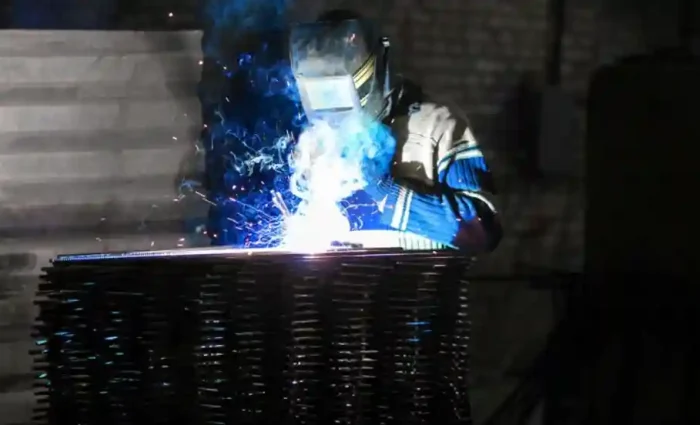
A skilled welding professional plays an important role in many industries, including construction, manufacturing, transportation, and energy. The quality of welding work can directly affect the safety, durability, and performance of equipment and structures. For this reason, hiring the right welding specialist is a decision that should be made carefully. Understanding the key factors involved can help your company choose a qualified professional who meets your project requirements and contributes to long-term success.
Understand Your Company’s Welding Needs
Before starting the hiring process, it is important to identify the specific welding services your company requires. Different projects may involve various welding methods, materials, and industry standards. Some projects may require expertise in structural welding, while others may focus on pipe welding or fabrication work.
Having a clear understanding of your needs allows you to find a welding specialist with the right skills and experience. It also helps you communicate expectations clearly during the recruitment process.
Evaluate Experience and Technical Skills
Experience is one of the most important factors when selecting a welding specialist. An experienced professional is more likely to understand complex welding procedures, solve problems efficiently, and deliver high-quality results.
Review the candidate’s work history and ask about previous projects similar to your company’s requirements. A strong background in handling different materials and welding techniques can be a valuable advantage. Technical skills should also be assessed to ensure the specialist can perform tasks accurately while maintaining safety and quality standards.
Verify Certifications and Qualifications
Professional certifications demonstrate that a welding specialist has received proper training and meets industry requirements. Many industries require welders to hold specific certifications that confirm their ability to perform certain types of welding work.
Checking qualifications and certifications can provide confidence that the candidate has the necessary knowledge and skills. It also helps ensure compliance with industry regulations and project specifications.
Consider Safety Knowledge and Practices
Safety is a critical aspect of any welding operation. Welding involves heat, sparks, heavy equipment, and potentially hazardous materials. A qualified welding specialist should have a strong understanding of workplace safety procedures and risk management.
Ask about the candidate’s safety training and previous experience following safety protocols. A professional who prioritizes safety can help reduce workplace accidents and protect both employees and company assets.
Assess Attention to Detail
Welding requires precision and accuracy. Even small mistakes can lead to structural weaknesses, equipment failures, or costly repairs. A reliable welding specialist should pay close attention to details throughout the welding process.
Careful measurements, proper material preparation, and thorough inspections are signs of a professional who values quality workmanship. Choosing someone with strong attention to detail can help ensure successful project outcomes.
Review Communication and Teamwork Skills
Technical expertise is important, but communication skills also matter. A welding specialist often works with engineers, project managers, supervisors, and other team members. Clear communication helps prevent misunderstandings and ensures projects run smoothly.
A candidate who can explain technical issues, follow instructions, and collaborate effectively with others can contribute positively to the overall work environment and project success.
Check References and Previous Work
One of the best ways to evaluate a welding specialist is by reviewing references and previous projects. Speaking with former employers or clients can provide valuable insight into the candidate’s reliability, professionalism, and work quality.
Past performance often reflects future performance. Positive feedback from previous projects can help confirm that the specialist is capable of meeting your company’s expectations.
Conclusion
Hiring the right welding specialist is an important investment for your company. By understanding your project needs, evaluating experience, verifying certifications, prioritizing safety, and reviewing communication skills, you can make a more informed hiring decision. Taking the time to carefully assess candidates helps ensure high-quality workmanship, improved safety, and successful project completion. A skilled welding specialist can become a valuable asset who supports your company’s productivity and long-term growth.