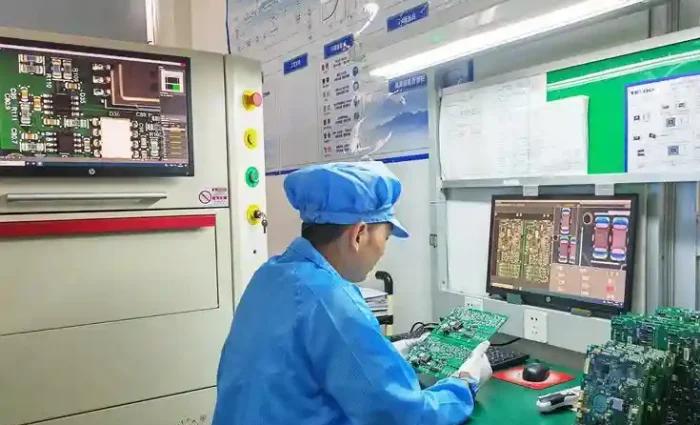
Modern manufacturing demands precision, consistency, and reliability at every stage. One process that brings all these elements together is the integration-based production approach used in complex electronic and mechanical systems. It focuses on assembling complete units rather than individual parts. This makes production smoother and quality easier to control. Industries like electronics, automation, and telecom rely heavily on this structured method. It reduces errors and improves final product performance. In this article, we explore how the box build manufacturing process supports strong quality control across production stages.
Box Build Assembly Planning Stage
The planning stage defines how every part will come together inside the final enclosure. Engineers map layouts, define wiring routes, and plan assembly steps before production begins. This reduces confusion during actual manufacturing and ensures smooth workflow. Material requirements and tooling needs are also finalized in this phase. Proper planning avoids rework and minimizes defects later in the process. A clear blueprint ensures every unit is built consistently.
Box Build Component Integration Process
Component integration is where individual parts such as circuit boards, switches, connectors, and power units are installed into the enclosure. Each component must align perfectly with design specifications. Precision is important because even small misalignments can affect system performance. Technicians follow strict assembly sequences to maintain consistency. Cable management and connector placement are carefully handled to avoid interference. This stage transforms separate components into a unified system. The integration process strengthens overall reliability and ensures smooth operation in box build component integration, reinforcing the importance of controlled assembly in box build systems.
Box Build Wiring And Mechanical Assembly
Wiring and mechanical assembly bring structure and connectivity together in one system. Internal wiring is routed carefully to prevent signal loss or electrical faults. Mechanical fixtures secure components firmly inside the enclosure. Proper insulation and labeling help maintain clarity and safety. This stage also ensures that moving parts, if any, operate without obstruction. Attention to detail is critical because errors here can affect final performance.
Box Build Testing And Quality Inspection
Testing ensures that every assembled unit performs as expected before it reaches the customer. Functional tests check electrical performance, connectivity, and system response. Visual inspections detect physical defects or assembly issues. In some cases, stress testing is also performed to ensure durability. Any deviation from standards is corrected immediately. This stage acts as a final checkpoint for quality assurance. It reduces failure rates and improves customer satisfaction.
Box Build Role In Quality Control Systems
Quality control is deeply integrated into every step of box build manufacturing. From planning to final testing, each phase is monitored for consistency and accuracy. Standard operating procedures help maintain uniform quality across all units. Real-time checks reduce the chances of defects moving forward in production. This structured oversight improves efficiency and reduces waste. It also builds trust in the final product.
Conclusion
Box build manufacturing is more than just assembly. It is a complete system that combines planning, integration, testing, and quality control into one streamlined process. Each stage contributes to building reliable and high-performance products. With careful coordination and strict quality checks, manufacturers can achieve consistent results. This approach reduces errors and improves efficiency across production lines.