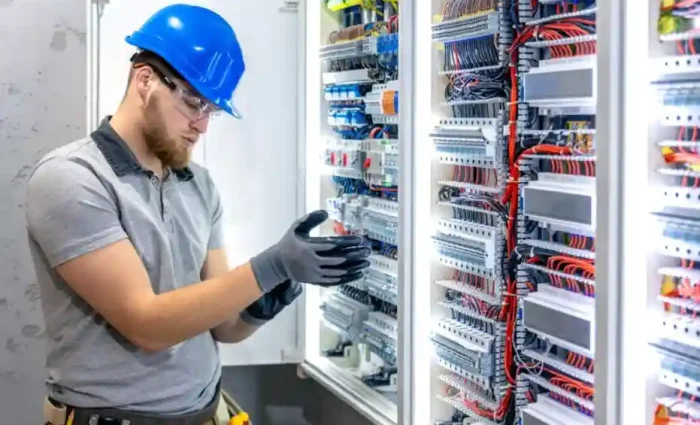
In the fast-paced world of industrial and commercial operations, safety remains a top priority. Ensuring the well-being of workers and protecting valuable equipment is essential for smooth operations. One effective method to enhance safety is the use of circuit breaker lockouts. These simple yet powerful devices play a crucial role in preventing electrical accidents and saving lives. This article delves into the significance of circuit breaker lockouts, explaining how they function, their benefits, and their contribution to workplace safety.
Understanding Circuit Breaker Lockouts
A circuit breaker lockout is a device used to secure circuit breakers in an off position, preventing accidental or unauthorized activation. Circuit breakers are essential components in electrical systems, designed to interrupt power flow in the event of an overload or short circuit. However, during maintenance or repair work, it is vital to ensure that these breakers remain off to protect workers from electrical hazards. Circuit breaker lockouts provide a physical barrier that prevents the accidental flipping of the breaker switch, ensuring that the circuit remains de-energized.
Importance of Circuit Breaker Lockouts
Circuit breaker lockouts are critical for several reasons. Firstly, they serve as a safeguard for personnel working on electrical systems. When maintenance is being conducted, unexpected energization of a circuit can lead to severe injuries or even fatalities. By using lockouts, workers can perform their tasks with confidence, knowing that the power supply is securely shut off.
Secondly, circuit breaker lockouts protect valuable equipment from damage. Sudden power surges or the accidental re-energization of a circuit can result in costly damage to machinery and tools. By keeping the circuit breaker locked in the off position, businesses can prevent unexpected power flows that might otherwise harm their equipment.
How Circuit Breaker Lockouts Work
The operation of circuit breaker lockouts is straightforward. These devices are designed to fit over the breaker switch, effectively blocking access to it. Most lockouts come with a padlock or a similar locking mechanism, ensuring that only authorized personnel can remove the lockout and restore power. This prevents accidental or unauthorized attempts to turn the circuit back on while work is still in progress.
There are various types of circuit breaker lockouts available, each tailored to fit different breaker designs. Some are universal and can be adjusted to accommodate a wide range of breaker sizes, while others are specific to certain models. Regardless of the type, the primary function remains the same: to keep the circuit breaker in a locked position until it is safe to restore power.
Benefits of Implementing Circuit Breaker Lockouts
The implementation of circuit breaker lockouts offers numerous benefits. One of the most significant advantages is enhanced safety. By reducing the risk of accidental energization, these devices help prevent electrical shocks, burns, and other injuries associated with live circuits. This, in turn, fosters a safer work environment and promotes a culture of safety within the organization.
Additionally, circuit breaker lockouts contribute to compliance with safety regulations and standards. Many industries are governed by strict safety protocols, and failure to adhere to these can result in legal consequences and financial penalties. By integrating lockouts into their safety procedures, companies demonstrate their commitment to regulatory compliance and worker protection.
Conclusion
In conclusion, circuit breaker lockouts are indispensable tools in promoting safety within industrial and commercial settings. By preventing accidental or unauthorized energization of electrical circuits, these devices protect both workers and equipment. Their simple yet effective design ensures that power remains off during maintenance or repair work, reducing the risk of electrical accidents. As businesses continue to prioritize safety, the adoption of circuit breaker lockouts will undoubtedly play a pivotal role in safeguarding lives and assets. Embracing this essential safety measure is a proactive step towards creating a secure and efficient workplace environment.