In many workplaces, especially healthcare centers, laboratories, and industrial facilities, waste management is not just about cleanliness but also about safety and legal responsibility. One of the most important parts of this process is commercial biohazard waste transportation. It ensures that dangerous or contaminated waste is handled properly from the point of generation to its final disposal. When done correctly, it protects employees, the public, and the environment from serious health risks. It also helps businesses follow strict rules and avoid penalties. In simple terms, it is a key system that keeps operations safe, clean, and compliant with regulations.
Understanding Commercial Biohazard Waste Transportation
Commercial biohazard waste transportation refers to the safe collection, movement, and disposal of waste that may contain infectious or harmful materials. This includes items like medical waste, contaminated tools, and laboratory samples. The process involves trained professionals who use specialized containers and vehicles to prevent leaks, spills, or exposure. The goal of commercial biohazard waste transportation is to make sure hazardous materials are moved securely from workplaces to treatment or disposal facilities without putting anyone at risk. It is a structured system designed to handle waste that cannot be disposed of like regular trash.
How It Improves Workplace Safety
One of the main benefits of commercial biohazard waste transportation is improved safety in the workplace. When hazardous waste is not managed properly, it can lead to infections, injuries, or contamination. By using professional transportation services, businesses reduce the chances of employees coming into contact with dangerous materials. These services follow strict handling procedures that minimize human exposure. Proper sealing, labeling, and secure transport methods ensure that waste remains contained throughout the journey. This creates a safer working environment and gives employees confidence that risks are being properly managed.
Supporting Legal Compliance and Regulations
Every industry that produces biohazard waste must follow specific laws and regulations. Failure to comply can result in fines, legal action, or even closure of the business. Commercial biohazard waste transportation plays a key role in meeting these legal requirements. Professional transport services are trained to follow local and international guidelines for hazardous waste management. They maintain proper documentation, tracking, and reporting of waste movement. This ensures that businesses can easily prove compliance during inspections or audits. As a result, companies avoid legal issues and maintain a strong reputation for responsible operations.
Professional Handling and Risk Reduction
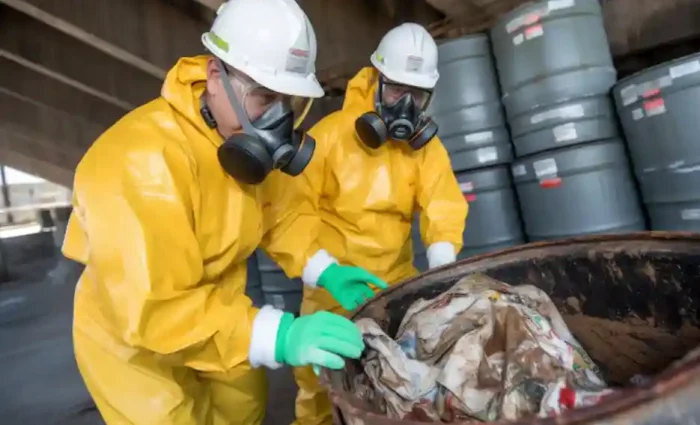
Another important advantage of commercial biohazard waste transportation is the professional handling of dangerous materials. Trained workers understand how to manage different types of biohazard waste safely. They use protective equipment, secure packaging, and specialized vehicles designed for safe transport. This reduces the risk of spills, contamination, and environmental damage. It also ensures that waste is delivered to the correct disposal or treatment facilities without delay. By relying on experts, businesses can focus on their core operations while knowing that hazardous waste is being managed responsibly.
Conclusion
In conclusion, commercial biohazard waste transportation is essential for maintaining safety, hygiene, and legal compliance in workplaces that deal with hazardous materials. It ensures that dangerous waste is handled properly, reduces health risks, and supports regulatory requirements. By using professional services, businesses can protect their employees, safeguard the environment, and avoid legal complications. Ultimately, it is a crucial system that contributes to a safer and more responsible working environment.